Curious About Steampunk Watches? Find Out More
Exposed gears, brass and Victorian style — what makes a steampunk watch, and how to choose one that's more than a prop.
We independently research every product we recommend. If you buy through links on this page, we may earn a commission at no extra cost to you. Learn more
In this article
- What is the steampunk style?
- What makes a steampunk watch?
- The quality range
- Inexpensive fashion pieces
- Affordable mechanical watches with open dials
- Haute horlogerie
- How to choose a steampunk watch
- How a mechanical movement works — the parts you’ll see
- Skeleton, open-heart and display back compared
- Quality checklist for skeleton and steampunk watches
- Bronze, brass and patina
- Wearing a steampunk watch
- Caring for a mechanical steampunk watch
- Pocket watches: the original steampunk timepiece
- Steampunk watches as gifts
- Building a steampunk look on a budget
- Frequently asked questions
- Final thoughts
Steampunk imagines a world where Victorian engineering never gave way to electronics: brass, gears, rivets and exposed machinery everywhere. Watches are a natural fit for that aesthetic, because a mechanical watch already is a tiny machine. Here’s what defines a steampunk watch, the quality range you’ll find, and how to choose one that’s more than a costume prop.
What is the steampunk style?
Steampunk grew out of science fiction and has spread into fashion, art and design. Its visual language includes:
- Brass, copper and bronze tones
- Exposed gears, cogs and mechanisms
- Victorian details: pocket watches, chains, Roman numerals, ornate hands
- Industrial touches such as rivets, pipes and gauges
What makes a steampunk watch?
Most steampunk watches share one or more of these features:
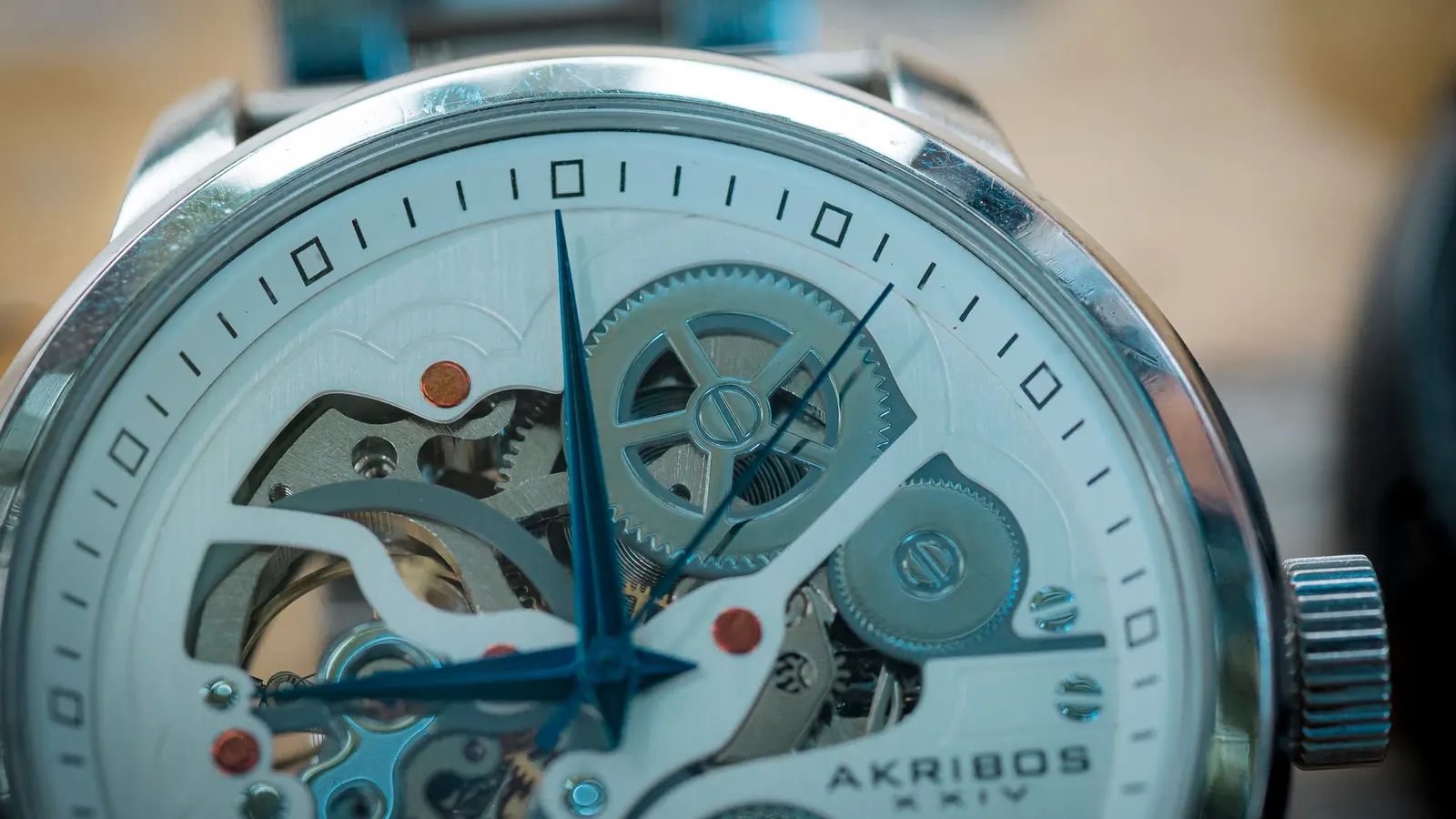
- Skeleton or open-heart dials that reveal the movement — the most authentic route, because you’re seeing real moving parts.
- Exhibition casebacks showing the movement from behind.
- Vintage-style cases in bronze, brass or antique finishes.
- Pocket watches with open fronts and chains.
A watch that shows a genuine mechanical movement through the dial captures the steampunk spirit far better than a quartz watch with printed or glued-on decorative gears.
The quality range
Inexpensive fashion pieces
Many low-cost steampunk watches use decorative gears on a quartz movement, or basic skeletonised mechanical movements of variable quality. They can be fun for costume and occasional wear, but expect modest accuracy and durability, and check reviews from verified buyers carefully.
Browse steampunk-style watches on AmazonAffordable mechanical watches with open dials
Established brands make open-heart and skeleton watches using real mechanical movements — a much better choice if you want something to wear regularly. An open-heart dial shows the balance wheel beating, which is arguably the most “steampunk” detail a watch can have.
Browse open-heart automatics on AmazonHaute horlogerie
At the very top, independent and luxury brands have produced watches with industrial, steampunk-adjacent designs — exposed mechanisms, unusual displays and engineering-inspired cases. These are collector pieces with prices to match, admired more than worn.
How to choose a steampunk watch
- Prefer a real mechanical movement if you want the authentic look of moving parts. Learn the difference in automatic vs quartz watches.
- Check legibility. Busy skeleton dials can be hard to read; look for contrasting hands.
- Check the size. Steampunk designs are often large. Read big-face watches: read this first.
- Mind the materials. Bronze develops a patina over time (part of the charm); plated brass finishes can wear — see gold-plated watches.
- Look at the strap. Distressed leather suits the aesthetic and is easy to swap — try our strap pairing generator.
Want the real thing on a budget?
A mainstream automatic with an exhibition caseback lets you watch genuine gears and a beating balance wheel — every day, not just at a costume event. See our best automatic watches for beginners.
How a mechanical movement works — the parts you’ll see
Part of the appeal of an open-dial watch is being able to see the machine at work. Here’s what you’re looking at:
- Mainspring and barrel: a coiled spring stores energy when you wind the watch (or when the automatic rotor winds it). The barrel is the drum that holds it.
- Gear train: a series of wheels that carries the energy from the barrel towards the escapement and drives the hands.
- Escapement: the escape wheel and pallet fork release energy in tiny, regular steps — this is what makes the ticking sound.
- Balance wheel and hairspring: the oscillating heart of the watch. The balance swings back and forth at a steady rate, regulated by the hairspring. On an open-heart dial, this is the part you’ll see moving.
- Rotor: on automatic watches, a weighted semicircle on the back that spins as you move, winding the mainspring.
- Jewels: small synthetic rubies used as low-friction bearings at key pivot points.
For a fuller explanation, read automatic vs quartz watches.
Skeleton, open-heart and display back compared
| Style | What you see | Pros | Cons |
|---|---|---|---|
| Skeleton | Most of the movement through the dial | Maximum mechanical drama | Can be hard to read; quality varies widely |
| Open-heart | The balance wheel through a window | Balance of legibility and spectacle | Less of the movement on show |
| Exhibition caseback | The movement from behind | Clean, legible dial | Only you see the mechanism |
Quality checklist for skeleton and steampunk watches
- Is the movement real? Look for a named calibre and a stated power reserve. Decorative gears glued onto a quartz movement don’t move.
- Is there a seconds hand and a ticking balance? On a mechanical watch, the balance should oscillate steadily.
- Is the finishing tidy? In good skeleton watches, the cut-away bridges have smooth edges and consistent finishing; in poor ones you may see rough edges and dust.
- Is it legible? Contrasting or luminous hands make a huge difference on a busy dial.
- Who makes it? Established brands publish specifications and offer servicing; anonymous labels may not.
Bronze, brass and patina
Steampunk style loves warm metals. Bronze watch cases develop a patina — a darkening, sometimes greenish surface — as they react with air and moisture. Many enthusiasts embrace it as part of the watch’s character; others polish it back. Bronze cases usually have a steel or titanium caseback because bronze can react with skin. Brass appears more often in decorative parts and inexpensive cases, typically plated; once the plating wears, the brass can tarnish. Antique-effect finishes are applied coatings and can wear on edges over time.
Wearing a steampunk watch
Steampunk pieces suit leather straps with visible stitching, waistcoats, boots and vintage-inspired clothing — but an open-heart automatic on a brown leather strap also looks at home with everyday jeans and a jacket. If you attend events or conventions, a pocket watch with a chain completes the look, and a large wristwatch with exposed gears makes a statement. For daily wear, choose something comfortable and legible; keep the most theatrical designs for special occasions.
Caring for a mechanical steampunk watch
- Wind it regularly if it’s hand-wound, ideally at the same time each day.
- Keep it away from magnets — speakers, phone cases and bag clasps can magnetise a balance spring and upset timekeeping.
- Avoid water unless the watch has a clear water-resistance rating; many fashion skeleton watches are only splash resistant.
- Service it every several years, or sooner if timekeeping drifts badly. A watch winder isn’t essential, but a good box keeps dust off open dials.
Want a broader introduction to mechanical watches? Our beginners’ automatic guide covers dependable models with exhibition casebacks.
Pocket watches: the original steampunk timepiece
If any object captures the steampunk spirit, it’s the pocket watch. In the Victorian era, a pocket watch on a chain was the standard way to carry time, and its hinged covers, engraved cases and visible mechanisms are central to the look today. Modern pocket watches come in three broad types: open-face (no front cover), hunter (a hinged cover protecting the crystal) and half-hunter (a cover with a small window). Many inexpensive steampunk pocket watches use quartz movements behind decorative open dials; mechanical versions with hand-wound or automatic movements cost more but offer the genuine ticking machinery.
Wearing a pocket watch is simple: attach the chain’s T-bar or clip to a waistcoat buttonhole or belt loop and keep the watch in a pocket on the opposite side. A pocket watch also makes a thoughtful gift, especially when engraved — see our guide to engraving watches.
Steampunk watches as gifts
For fans of the style, a steampunk watch is a fun, personal present. Choose a genuine mechanical open-heart wristwatch for someone who’ll wear it daily, a pocket watch with a chain for costume and events, or a decorative skeleton watch for a light-hearted gift. Check the size and strap length, and pick a reputable seller so the watch arrives working and can be serviced later.
Building a steampunk look on a budget
You don’t need an expensive watch to capture the style. Start with a reliable mechanical watch that has an open-heart dial or an exhibition caseback, then let the strap do the work: a distressed brown leather strap with contrast stitching, or a vintage-style “bund” pad, instantly adds Victorian character. Brass-tone accessories, a pocket-watch chain or a leather cuff can complete the outfit for events, while the watch itself stays wearable every day. This approach gives you genuine moving machinery, sensible durability and a look you can dial up or down as the occasion demands.
Frequently asked questions
What is a steampunk watch?
A watch styled after Victorian-era machinery, typically with exposed gears, brass or bronze tones and vintage details.
Are steampunk watches mechanical?
Some are; many inexpensive ones use quartz movements with decorative gears. Skeleton and open-heart watches usually have real mechanical movements.
What is the difference between skeleton and open-heart?
A skeleton watch has most of its movement cut away and visible; an open-heart dial has a single window, usually showing the balance wheel.
Are cheap steampunk watches worth it?
For costume or occasional wear, maybe. For daily wear, an open-heart automatic from an established brand is a better investment.
Can you wear a steampunk watch every day?
Yes, if it is legible, comfortable and well made. Large, heavily decorated designs suit occasional wear better.
Final thoughts
The most convincing steampunk watch is one with real machinery on show. Choose a genuine mechanical movement, prioritise legibility, and pick a size that suits your wrist — the gears will do the rest.
You may also like
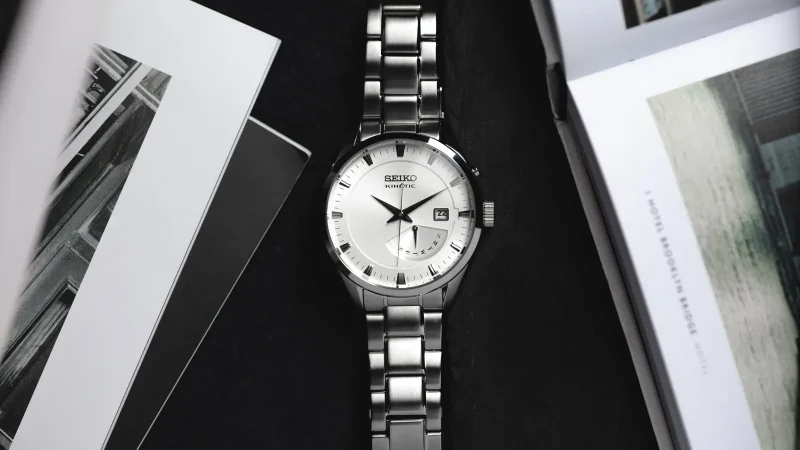
Best Watches Under $500
Ten watches from Seiko, Orient, Citizen and Tissot, each chosen for a specific job, from dress and dive to travel and solar no-fuss wear.
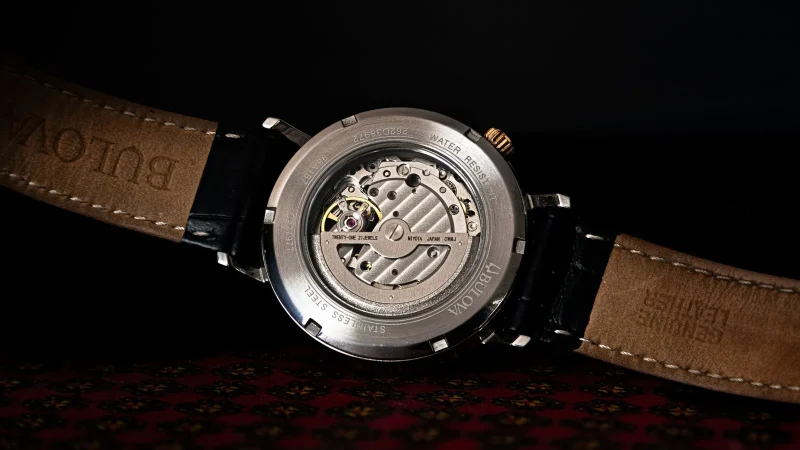
Best Automatic Watches for Beginners
Seven automatics and one hand-wound alternative for a first mechanical watch, with hacking, hand-winding, power reserve and accuracy explained.
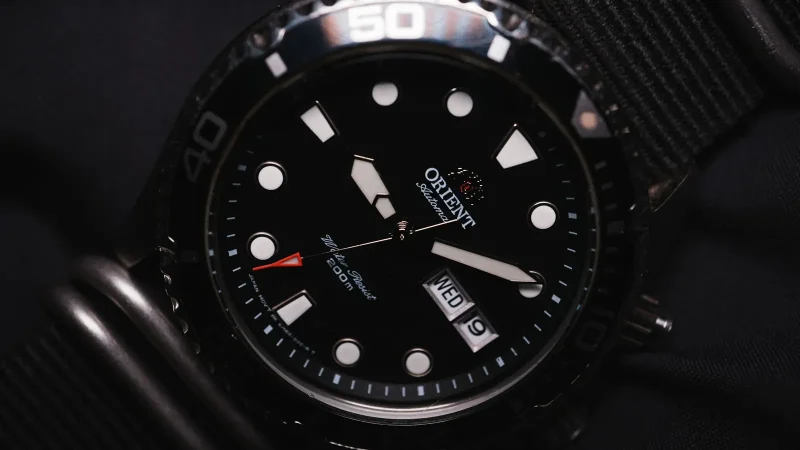
Best Affordable Dive Watches
Five divers from a budget Casio to a Swiss step-up, plus what ISO 6425, unidirectional bezels, lume and screw-down crowns actually mean.